

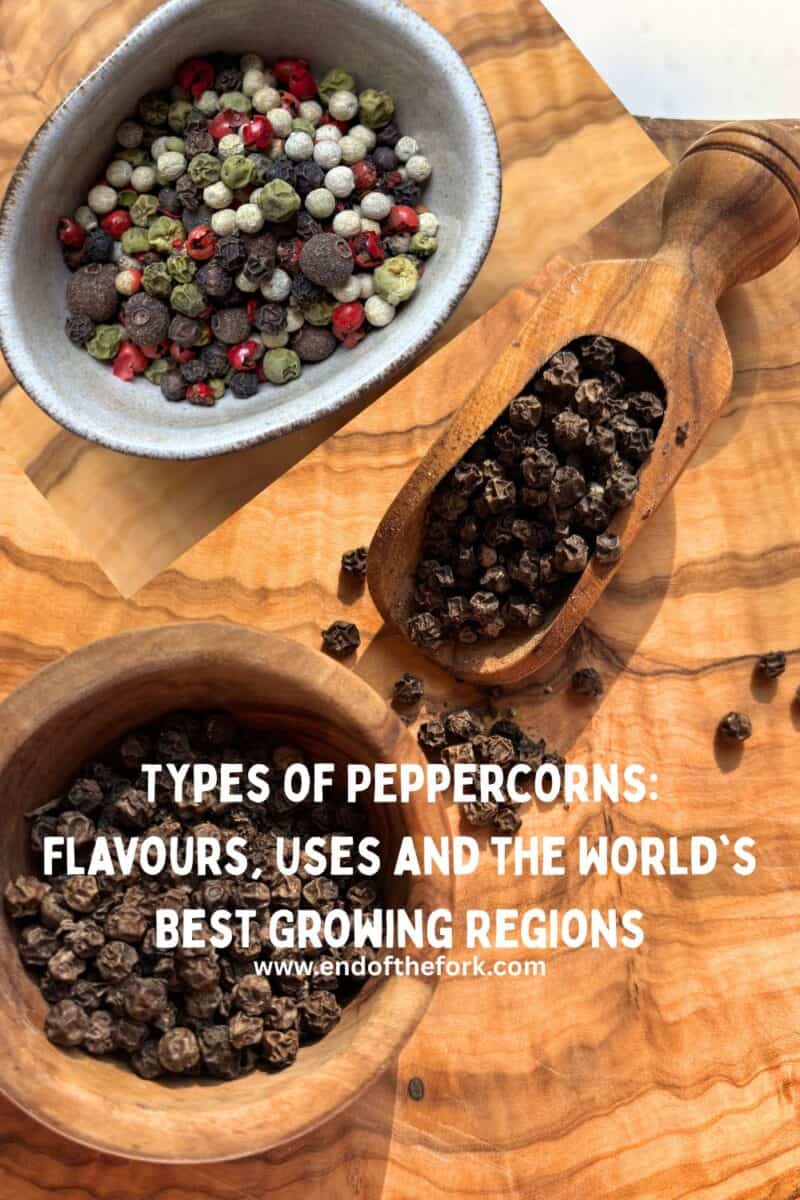
Almost every peppercorn you've ever eaten comes from a single plant. The colour on the label isn't a different species but a different moment in the fruit's life and a different way of processing it. Here is what each one actually is, how it tastes and when to reach for it.
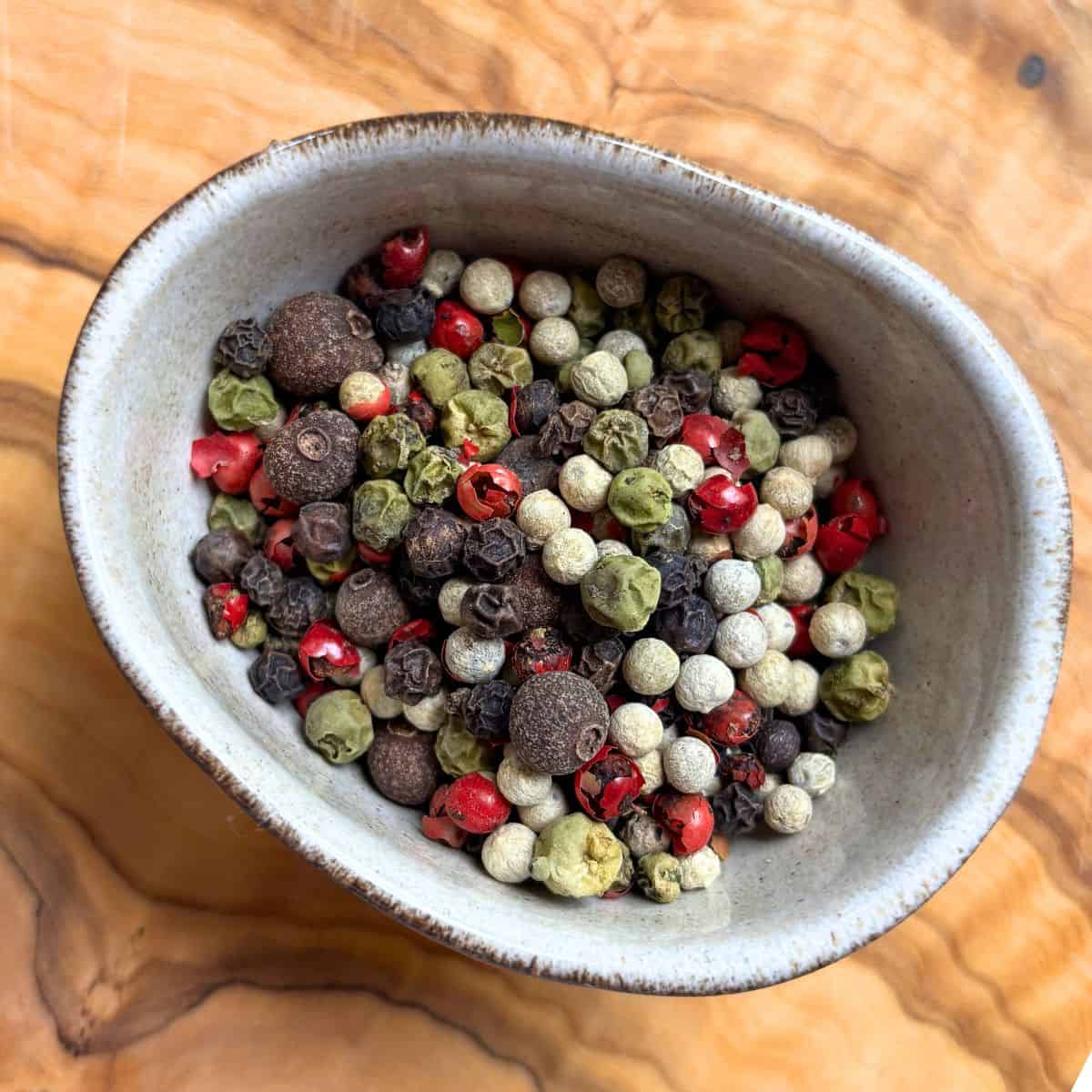
Did you know that black, white, green and red peppercorns are all the same fruit - the berry of Piper nigrum, which is a tropical climbing vine native to the Malabar coast of southern India. What separates the varieties is at what stage the berry is picked and how it is processed afterwards.
Just as coffee beans roasted at different temperatures will give you very different results, pepper works the same way, except the variable is ripeness rather than roast.
Pink peppercorns are completely different as they aren't a true pepper at all, but more on that below.
Jump to:
- One plant makes every colour
- Are peppercorns the same as peppers?
- The colours of pepper
- Pink peppercorns
- Allergy Advice
- Where does the best pepper come from?
- Other peppers worth knowing
- Comparison of common peppercorns
- How to use peppercorns
- Do peppercorns go bad?
- How to store peppercorns
- FAQ
- More on spices and ingredients
- Related
- Pairing
- Reviews
One plant makes every colour
Peppercorns or Piper nigrum, grow as small round berries in long clusters, like bunches of tiny grapes, on a climbing vine. The berries start off green and as they ripen on the vine, turn from yellow, to orange and then red.
Growers will harvest them at different phases as the peppercorns change colour and process the berries in different ways. The differences in colour and processing are what determine the flavour profile and character of the pepper.
The longer a berry stays on the vine, the riper and fruitier it becomes. The processing then decides everything else from if the skin stays on, to whether it is fermented, dried in the sun or preserved in brine.
Are peppercorns the same as peppers?
Despite sharing a name, black pepper and the bell peppers in your salad drawer have nothing in common botanically. Peppercorns come from Piper nigrum, a tropical climbing vine. Bell peppers, chillies, paprika and cayenne all come from the Capsicum genus, a family of fruiting plants native to the Americas. The two are not even distant cousins.
The confusion come from when Columbus arrived in the Caribbean in 1492, while searching for the pepper-producing East Indies he encountered chillies, found them hot, and called them pimiento (or pepper). The name stuck, and Europe has been conflating two unrelated plants ever since.
They don't even produce heat in the same way. Pepper's bite comes from piperine, which is relatively gentle and fades quickly. Chilli heat comes from capsaicin, which binds to pain receptors and lingers. It is why black pepper makes you sneeze but rarely makes you sweat.
The colours of pepper
Pepper is sold according to colour with different uses:
Green peppercorns
Green peppercorns are unripened berries - picked while still young and green. This is the mildest pepper with a fresh, vegetal and slightly citrus flavour.
Freshly picked raw berries spoil fast but are particularly prized in Vietnamese, Thai and French cuisines. They are used in the classic French steak au poivre vert, for creamy sauces and go well with poultry and fish.
The rest are freeze-dried, air-dried or more commonly, pickled in brine or vinegar.
Black peppercorns
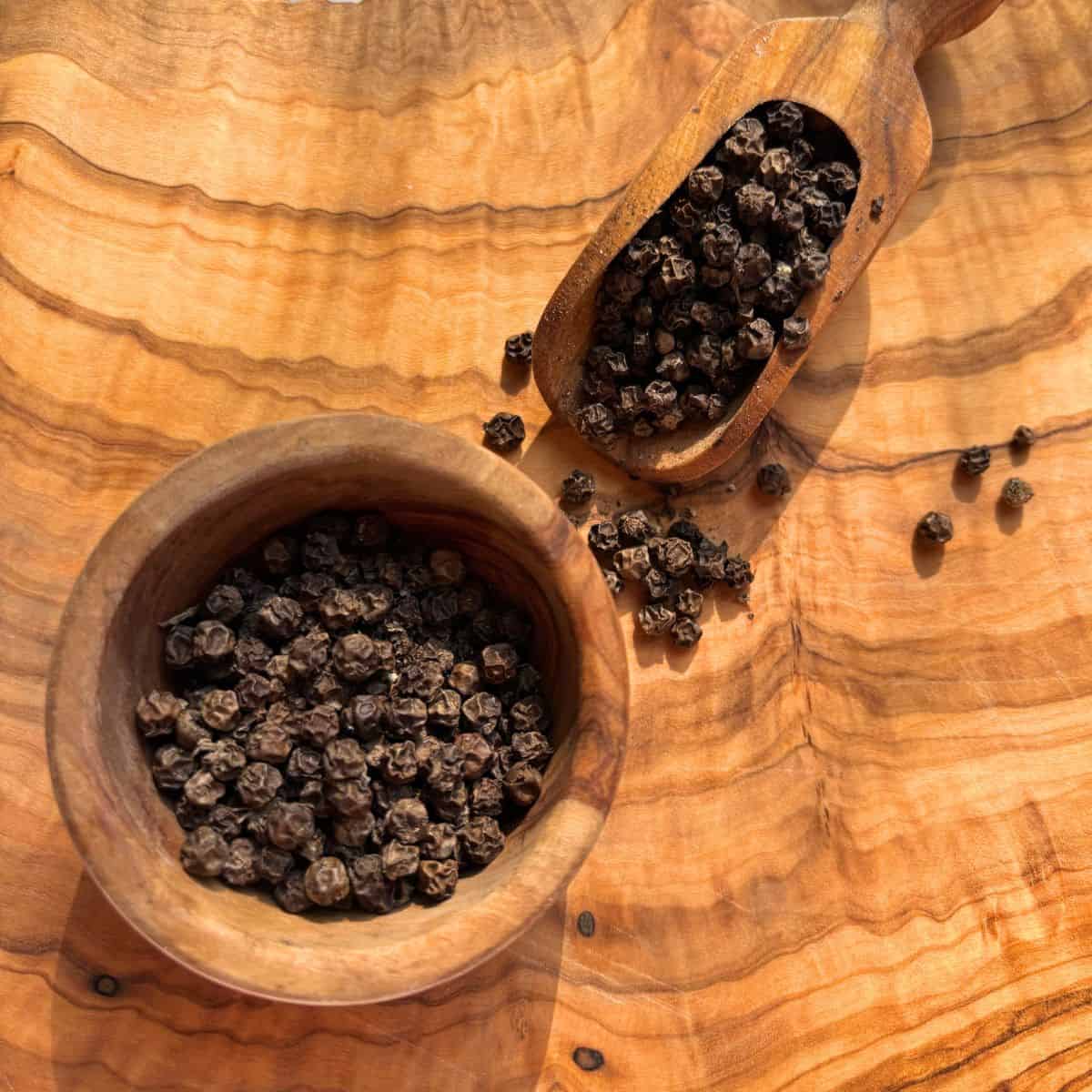
Black peppercorns - the most commonly used pepper starts off as green peppercorns. They are picked before they ripen and turn red, then blanched for 10 minutes. This triggers an enzymatic reaction causing their skin to shrivel and darken but also cleans them, removes surface mold-causing microbes and prepares them for the drying process. They are then dried in the sun 7 to 10 days or mechanically over 24 hours.
The skin is where much of the flavour lives. It is rich in piperine, the compound behind pepper's heat which is why black pepper is the strongest and most pungent of the peppers. It keeps the vegetal note from when it was green but once processed, develops a warmer, deeper and far punchier heat.
Black pepper is an everyday workhorse, it can be used in zigni, braised cabbage, spaghetti alla nerano, watermelon salad, sauces and baharat spice mix.
Red peppercorns
Red peppercorns are fully ripe berries. When they are left on the vine they ripen to red. These are fruitier and slightly sweeter than black pepper with a rounder, less aggressive heat.
They are the most perishable as the higher moisture and sugar content means they don't keep as long as black peppercorns. The short shelf life and as they are considered a specialist ingredient, they are rarely found in supermarkets.
Red peppercorns must not be confused with pink peppercorns; below you will see why they are not the same thing.
White peppercorns
White peppercorns are ripe berries with the skin removed. They start off as ripe red berries which are then soaked in water for several days. This process is called water retting, where naturally occurring microorganisms produce enzymes which break down the outer skin of the berries. They are washed to reveal a white seed and then dried.
As the fiery piperine-rich skin is removed, white pepper is milder and less pungent than black pepper, with an earthy, floral and slightly fermented flavour.
Cooks prefer to use white pepper for a milder heat or when they don't want black specks in a cream sauce, mashed potato, potato salad and light coloured soups. In Chinese cooking, white pepper is used a great deal in marinades and stir-fries.
Yellow and orange
You may have seen peppercorns described as yellow or orange. These are not different types of pepper, but partially ripened berries as they ripen from green to red on the vine. They are rarely found in stores and there is little demand for them as they do not have their own flavour profile.
Pink peppercorns
Pink peppercorns are not a true pepper, they don't come from Piper nigrum at all. They are the dried berries of the Peruvian pepper tree (Schinus molle), an entirely unrelated South American plant.
Important
Allergy Advice
If you or a guest has a tree-nut allergy - unlike other peppercorns mentioned here, pink peppercorns are related to cashews and pistachios and have occasionally triggered reactions in sensitive people.
They are more delicate than other peppers, with a skin which flakes off, covering a soft and sticky seed. Their flavour is sweet, mildly fruity and only faintly peppery. They are prized for their rosy colour and their flavour.
Their delicate flavour makes them ideal for seafood and cream sauces such as Sauce aux Poivre Rose, cheeses, vinaigrettes, garnishes and desserts.
Where does the best pepper come from?
The origin of pepper, where it is grown, the soil and the climate, affects the flavour in the same way as wine or coffee. Peppers grown in different soils at various times of the year will have a range of flavours, pungencies and aromas.
A handful of regions are especially prized for the best peppercorns, these are:
Malabar Coast (India) - this 525 mile coastal strip in southwest India where the tropical climate and monsoon rains create ideal conditions. It is the historic home of pepper and still the source of two of the most sought-after grades, both prized for their flavour complexity compared to other varieties. They are:
- Malabar pepper - is from the Kerala coast of India, the birthplace of pepper. It is robust, warm and resinous with citrus aromas and a medium-hot heat. A reliable and versatile pepper, it is used frequently in professional kitchens for steaks, stocks, stews and general seasoning.
- Tellicherry - is widely considered the finest black pepper available. Malabar berries left on the vine longer to ripen and grow to at least 4.25mm in diameter are classified as Tellicherry. As these larger berries constitute a smaller percentage of the harvest it is considered a premium pepper. The berries have a sweeter, fruitier and more aromatic flavour than standard black pepper, with floral and citrus notes and a rounded, lingering heat. It is the peppercorn of choice for chefs Alice Waters of Chez Panisse and Thomas Keller of The French Laundry.
Kampot (Cambodia) - Kampot pepper is highly regarded by chefs for its delicate, aromatic and complex flavour, with its distinctive floral and jasmine notes, subtle fruity sweetness and clean, lingering heat that enhances rather than dominates. As cooking heat destroys its unique volatile aromatic oils it is usually used as a finishing pepper over steaks, seafood or even chocolate desserts, but can also be used in cooking when used in larger quantities, for example in Kampot Crab. Kampot was awarded EU Protected Geographical Indication status in 2016, as a mark of quality tied directly to the region's volcanic soil and climate.
Sarawak (Malaysia) - these peppercorns are grown in the rainforests of Malaysian Borneo, they are one of the world's most versatile and well-regarded culinary peppers. Sarawak pepper are PGI protected and known for their fruity aroma and warm, woody notes making them a natural fit for curries. The flavour is notably milder than the Indian varieties. They taste fruity and earthy with subtle citrus notes and a gentle, warming heat that builds slowly rather than striking immediately. White Sarawak, is particularly prized for its mild, almost sweet character, making it the preferred choice for delicate fish dishes, cream sauces, and egg preparations where stronger peppers would overpower.
Regulated and certified by the Malaysian Pepper Board (MPB), authentic Sarawak pepper meets strict food safety and quality standards, though mislabelling is common, so it is important to check for the MPB certification. Its sustainable farming credentials are strong, with the WWF highlighting Borneo pepper cultivation as a model of environmentally responsible spice production.
Sarawak sits somewhere between the robust heat of Malabar and the aromatic delicate flavour of Kampot. It offers chefs a refined mid-range pepper with genuine terroir character of its equatorial rainforest and nutrient rich sedimentary soils. Sarawak is usually sold in mixed peppercorn blends and is an increasingly sought after ingredient in European and North American fine dining.
Lampong (Indonesia) - cultivated in volcanic soil, are fruity, slightly smoky with a fiery kick. They are perfect for meats and hard cheeses.
It is one of the most widely used black peppers in both the UK and US, where it dominates everyday commercial supply. It is significantly hotter and more pungent than both Sarawak and Malabar, with a clean, bold, piney and resinous character alongside hints of citrus, wood, and mint. Its small, dense berries contain notably high levels of piperine (the compound responsible for pepper's heat) making it one of the most intensely spicy black peppers available.
Lampong is valued primarily for its intense heat rather than complexity and it is favoured in professional kitchens for marinades, stocks, stews, pickling, and robust meat preparations. Despite its widespread use, the aromatic profile is less sophisticated than the premium terroir-driven varieties and chefs seeking nuance and complexity would rather use Sarawak, Tellicherry, or Kampot in its place. Authentic Lampong pepper carries a Geographical Indication certification, though enforcement varies and mislabelling remains a concern in the market.
Phu Quoc (Vietnam) - Vietman is the world's largest exporter of peppercorns,
producing huge quantities of black pepper valued for its intense heat, strong aromatics and lower cost. The best pepper is from the Island of Phu Quoc, grown in mineral rich laterite soil under a tropical monsoon climate with strong sunlight and sea breezes. These conditions produce a higher concentration of essential oils compared to other mainland Vietnamese varieties, with more aromatic flavour of citrus, eucalyptus and herbal notes and intense heat.
Phu Quoc's red peppercorns develop a sweet, citrusy heat comparable to Kampot, while its fresh green peppercorns are used locally in a Vietnamese twist on steak au poivre.
Other peppers worth knowing
These are a few less common peppers which are worth knowing about. Long and Cubeb pepper are true peppers from the piperaceae family containing piperine which gives heat, while Sichuan and Sansho peppers belong to the citrus tree (Rutaceae) family giving a numbing sensation on the tongue.
Long pepper (India and Malaysia) - predates black pepper in European cooking and was once the most prized spice in the ancient world, traded along the same routes as silk and gold. It grows in elongated spikes rather than round berries and has a complex, slow-building heat with notes of ginger, cinnamon, and cardamom alongside its pepper warmth. It fell out of fashion when black pepper became widely available but is now being rediscovered by chefs interested in historical cooking and layered flavour. It works particularly well in Indian dishes. Try it in this ancient Indian chicken dish dating back to 200-300 BCE
Cubeb (Indonesia) - also known as tailed pepper due to its distinctive stem, is native to Java, Indonesia and was widely used in medieval European and Middle Eastern cooking. Its flavour is complex and unusual, being piney and slightly bitter with a cool camphor note, somewhere between black pepper and allspice. It loses its bitterness when cooked and is used in Moroccan ras-el-hanout spice blends and in the production of certain gins, where its aromatic complexity adds depth.
Sansho (Japan) - this a spice from the same prickly ash family as Sichuan pepper and not a true pepper. Like Sichuan, it creates a mild tingling sensation, but with a brighter, more delicate lemon and floral character. It features in Japan's seven-spice blend shichimi togarashi and is classically paired with grilled eel and chicken.
Comparison of common peppercorns
Here is how the main types of peppercorns compare - their origin, heat level, flavour and best culinary uses.
| Pepper | Origin | Heat | Tastes like | Best used for |
|---|---|---|---|---|
| Green | India, Vietnam, Thailand | Mild | Fresh, vegetal, slightly citrus | Steak au poivre vert, cream sauces, poultry, fish |
| Malabar | Kerala, India | Medium-hot | Robust, warm, resinous, citrus aromas | Everyday cooking, steaks, stocks, stews |
| Tellicherry | Malabar Coast, India | Hot, complex | Floral, citrus, fruity, sweeter than black | Finishing pepper, steaks, fine dining |
| Kampot | Kampot, Cambodia | Subtle, refined | Floral, jasmine, fruity, clean lingering heat | Finishing pepper, seafood, chocolate, Kampot crab |
| Lampong | Sumatra, Indonesia | Very hot | Bold, piney, resinous, citrus and mint | Marinades, stocks, stews, pickling, meats |
| Cubeb | Java, Indonesia | Mild-medium | Piney, bitter, cool camphor note | Ras el hanout, medieval dishes, gin |
| Long pepper | India, Indonesia, Nepal | Medium | Slow heat with ginger, cinnamon, cardamom | Braises, spiced wines, North African dishes |
| Red | India, Cambodia, Vietnam | Medium | Fruity, sweet, rounder heat than black | Finishing pepper, cream sauces, vinaigrettes, desserts |
| Phu Quoc | Phu Quoc Island, Vietnam | Hot, aromatic | Citrus, eucalyptus, herbal; sweet red berries | Steak au poivre, seafood, everyday cooking |
| White | Indonesia, India, Brazil | Mild-medium | Earthy, floral, slightly fermented | Cream sauces, mash, light soups, Chinese dishes |
| Sarawak | Borneo, Malaysia | Mild-medium | Fruity, earthy, subtle citrus, gentle heat | Curries, fish, cream sauces, mixed blends |
| Pink Not a true pepper |
South America | Very mild | Sweet, fruity, faintly peppery, floral | Seafood, cheese, vinaigrettes, garnish, desserts |
| Sichuan Not a true pepper |
China, Tibet, Nepal | Numbing | Citrusy, floral, tingling (málà) sensation | Stir-fries, braises, chilli oil, marinades |
How to use peppercorns
Whole, freshly cracked pepper tastes much better than pre-ground pepper. After grinding, pepper starts losing its volatile oils and aroma so it is best to store them whole until you are ready to use them. Whole peppercorns keep them locked in until the moment you crack them.
Here are the different ways to use peppercorns:
Toast dried peppercorns first - for dried peppercorns, dry-roast them gently in a pan over low heat for 30 to 60 seconds before grinding or adding to a dish. The gentle heat releases aromatic oils and deepens the flavour. Leave them cool before cracking or grinding.
Fresh (brined) green peppercorns can go in whole, either straight into sauces, or crushed into a marinade.
Know which colour pepper to use in the dish: use black pepper for a deep complex heat; white for light coloured dishes for mild kick and if you don't want specks; green for pepper's delicate flavour without heat; red where you want fruitiness.
Do peppercorns go bad?
Fresh raw green peppercorns on their stems will keep for around a week in the crisper drawer of fridge and possibly longer if they are wrapped in a damp kitchen cloth. Throw them away if you see signs of spoilage such as: fuzzy mold, if they have become slimy or shrivelled and black, or they have a musty fermenting smell.
Brined green peppercorns, once opened will keep in the fridge for around a week, use them as you would any fresh preserved ingredient.
Whole dried peppercorns will not spoil in a dangerous sense but they will lose their aroma and potency over time. Store them whole in a sealed container and keep in a cool place - they will keep their flavour for years.
Ground pepper is different as it will start losing flavour within weeks of grinding, even if stored in a sealed container.
How to store peppercorns
For best flavour, always buy whole peppercorns and only grind as much as you need at a time.
Store them in a sealed container away from heat and light. Keep them in a cupboard rather than on a window-sill or above the stove. Light and heat will quickly degrade the volatile oils, reducing their flavour.
FAQ
Yes, black, white, green and red peppercorns all come from the same plant called the Piper nigrum. The difference is when the berry is picked and how it is processed. Green is unripe and preserved fresh; black is unripe, boiled and dried; red is fully ripe; white is a ripe berry with the skin removed.
No, pink peppercorns come from the Peruvian pepper tree, the Schinus molle, a completely different and unrelated plant. They are sweet, fruity and only mildly peppery. They are also related to cashews, so people with tree-nut allergies should be cautious with them.
Both come from Piper nigrum, but white pepper is made from fully ripe berries with the spicy outer skin removed and then dried. Removing the skin makes it milder and smoother than black pepper. White pepper has an earthy note and no black specks, which is why it is used for white dishes and Chinese cooking.
Black pepper is the most pungent of the common colours, because the piperine-rich skin is left on and concentrated during the drying process. Green is mildest, red is fruity and moderate, while white has a mild but sharp background heat.
Despite its name, Sichuan peppercorns are not a pepper at all. They are the dried husks of the prickly ash shrub, a member of the citrus family (the seeds are discarded). They give a citrusy aroma and create the distinctive tingling, numbing sensation on the tongue known as málà in Chinese cooking.
Yes, a quick dry-roast of dried peppercorns in a pan over low heat for 30-60 seconds releases the aromatic oils and deepens the flavour. Let them cool before grinding.
Old whole dried peppercorns won't make you ill, instead they gradually lose their aroma and potency over the months and years. When stored whole in an airtight jar away from light and heat, they keep their flavour far longer than store bought ground pepper which only retains its flavour for a few weeks.
More on spices and ingredients
Related
Looking for other recipes like this? Try these:
Pairing
These are my favorite dishes to serve with [this recipe]:



Comments
No Comments